
Analog Joy at the Drop of a Coin
A new wave of creative vending machines are mastering the art of dispense. Here are a few we’ve found in places the Corcoran brand calls home.
There’s something deeply satisfying about the tactile experience of dropping a coin in a slot, turning a knob, and receiving a little something in return. Call it a simple pleasure in a complex world, a sensation that’s becoming increasingly rare in these streaming-only and tap-to-pay times.
Much like vinyl records and typewriters, the vending machine is making a comeback. A devoted group of enthusiasts has been reviving these throwback contraptions for less-common purposes, helping keep whimsy in a world gone digital. Here are some of the most unexpected examples we’ve found in our communities — offering all that but not a bag of chips.
 Phono-Mat and Biblio-Mat
Toronto, Canada
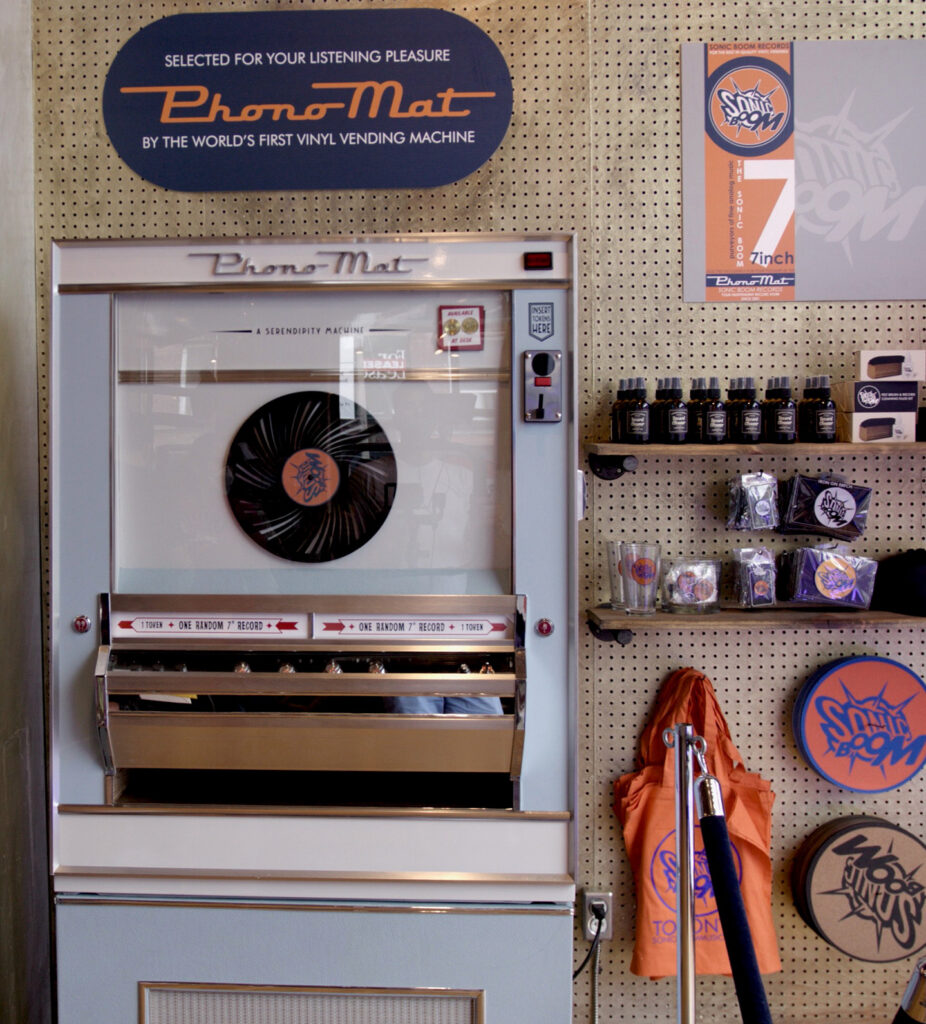
For most people, vending machines are a novelty. For artist Craig Small, they’re a medium. At The Monkey’s Paw bookstore in Toronto, the beloved used bookseller known for its robust collection of eclectic and esoteric titles, Small created the Biblio-Mat, a “serendipity machine” that dispenses a random used book for $5. Later, he followed up at Sonic Boom, the largest independent record store in Canada, with the Phono-Mat, a retro-styled sequel that dispenses a random 7-inch or a 12-inch record upon the deposit of a $4 token. Both honor the act of random discovery — a cheap thrill in a tightly curated world.
 Mold-A-Rama
Chicago, Illinois
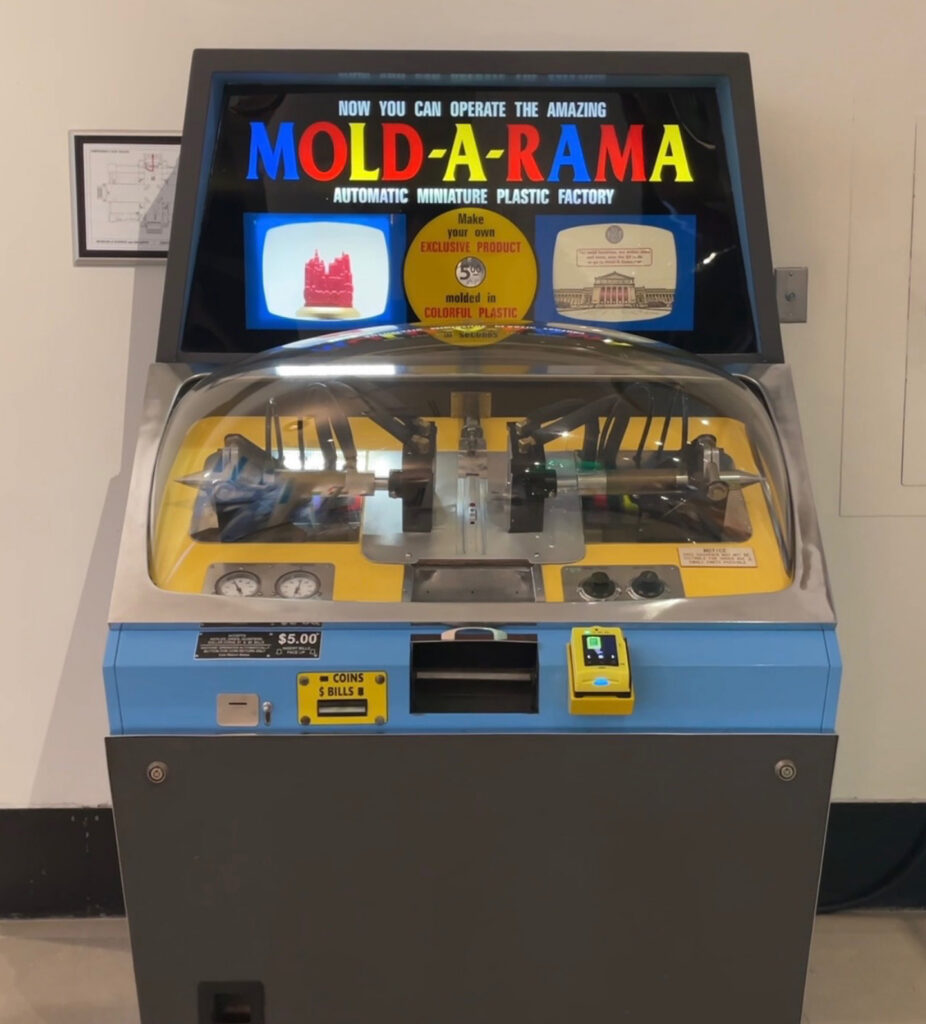
Producing small plastic models on demand, Mold-A-Rama machines first came to prominence at the 1964 New York World’s Fair, and for a short time, were found all around the country, mostly at museums and tourist attractions. While most have vanished, a handful can still be found around Chicagoland, where they were originally manufactured. The Museum of Science and Industry has seven Mold-A-Ramas, dispensing souvenir models of a steam locomotive, the Willis Tower, Chicago’s skyline, and more. Elsewhere in the Windy City, the Field Museum’s machines will make you an alligator or one of five dinosaurs for just $5. (In a concession to modern times, most machines now also take credit cards.)
 The Greenie Supply Treasure Map Machine
Southold, New York
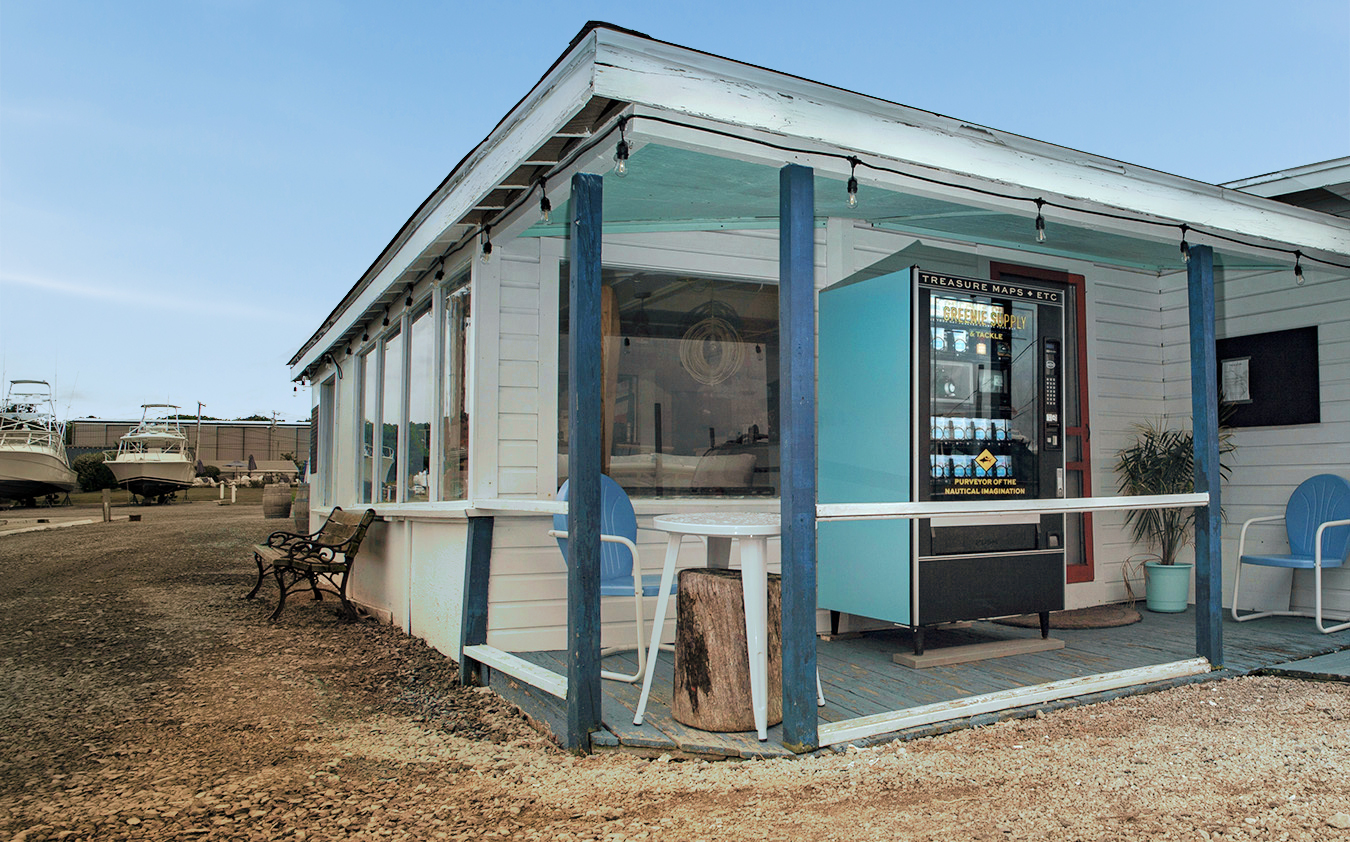
Set discreetly on a tucked-away porch in the back of Southold’s Port of Egypt marina, the Greenie Supply Treasure Map Machine isn’t the final destination. Rather, it’s the start of a journey. Every month or so, Bill Moulton, the New York City adman behind the concept, hides numerous “treasures” throughout the area, and he stocks the machine with $5 hand-drawn maps to find them. There’s a real sense of wonder when the treasure is found — Scout’s honor prevents us from describing the spoils, but it might be the search itself that’s the real reward. Every map is printed with Moulton’s personal mantra: “Change your day forever.”
 Inciardi Prints
New York, New York (+ nationwide)
As Ana Inciardi dug for quarters to use the coin-op laundry in her building, she reminisced about the sticker (and temporary tattoo) machine in her childhood supermarket, a Key Food in Park Slope, Brooklyn. A full-time artist, she wondered if she could create something similar, but dispensing art prints instead. Starting in 2022 with a few machines in Maine, her footprint soon grew to some 120 machines throughout the U.S. The $1 artworks have won over a considerable base of collectors, who particularly covet location-specific offerings — like yellow cabs and pigeons, at NYC’s Whitney Museum and Casa Magazines, or marshmallow fluff and CITGO signs at the ICA in Boston’s Seaport district.
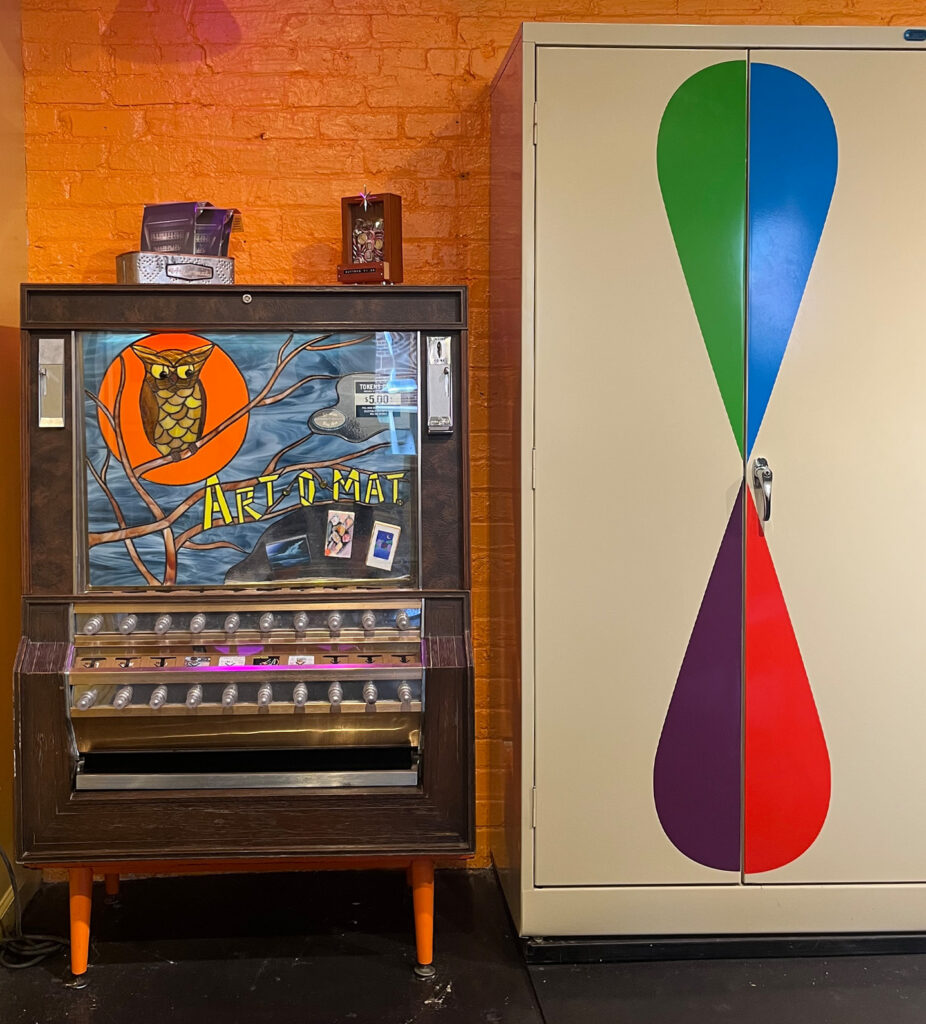 Art-o-mat
North Carolina (+ nationwide)
One could say Art-o-mat walked so Inciardi Prints could run. Clark Whittington created the first Art-o-mat in 1997, 25 years before the first Inciardi machine. Rather than use sticker machines, Whittington repurposed cigarette machines, which were being increasingly banned, to dispense small sculptures and mixed-media creations in addition to flat prints in cigarette pack–sized boxes. Started in North Carolina, Art-o-mats can now be found all over the world, including cafes, bars, and museums, and even a Whole Foods in Boston’s South End. With an ever-changing mix of art and artists, each offers the opportunity for a fortuitous discovery for a mere $5. (Many venues sell tokens for use in their machines.)
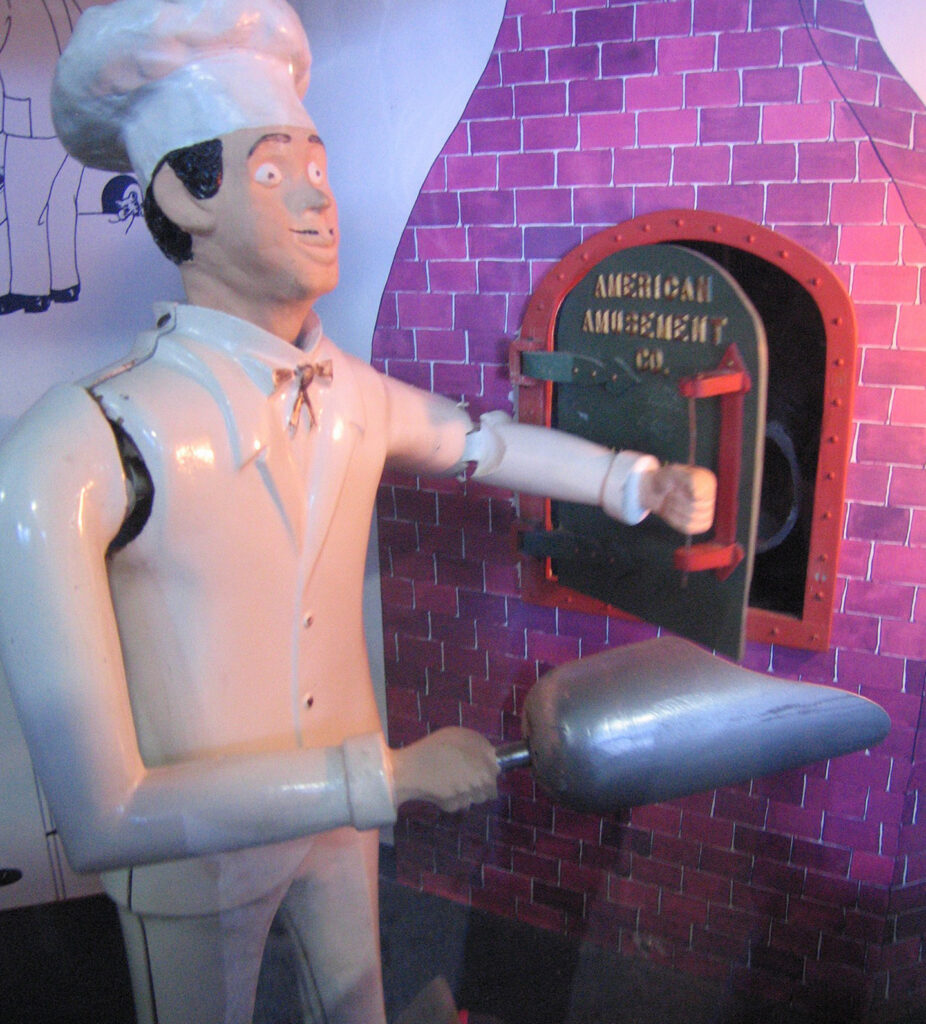 Musée Mechanique
San Francisco, California
This famous penny arcade, which started at the long-gone Playland, then moved into the Cliff House basement (the setting of a memorable scene in the movie The Princess Diaries) and, since 2002, has been located at Pier 45, is home to every kind of vintage coin-operated device imaginable. For just a quarter or two, you can have a mechanical baker open their oven to reveal a prize, or have your fortune told on a small cardboard card. Among the other highlights here: Vintage pinball machines, the infamous “Laffing Sal” marionette, and old-school, black-and-white film photo booths that captured generations of stolen kisses, with photo strips emerging a little wet and still smelling of developer.